What’s The Difference Between Financial Planning and Investment Management?
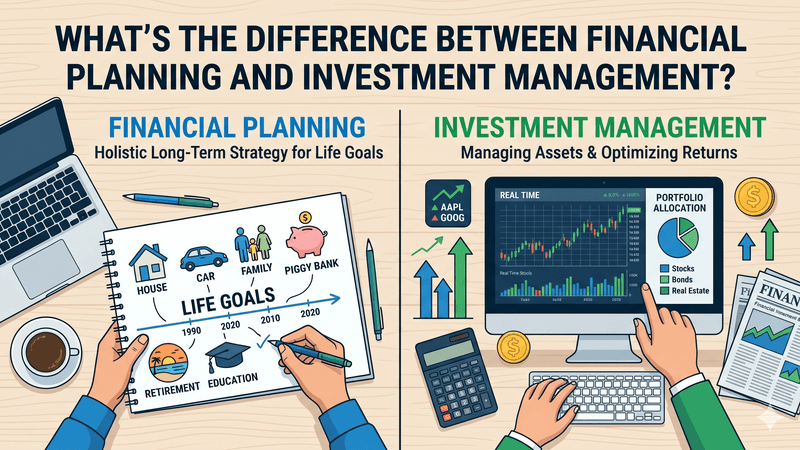
Confused between financial planning and investment management? Learn how a holistic life strategy differs from asset growth and which one you need to reach your goals.
Explore practical, easy-to-apply articles on investing, tax planning, retirement, insurance, and family finance.
Get practical, compliant advice tailored to your goals with the FinAtoZ team.

Confused between financial planning and investment management? Learn how a holistic life strategy differs from asset growth and which one you need to reach your goals.

Learn the key difference between net worth and annual income. Understand how each affects your financial health and long-term planning goals.

Understand the power of compounding and how it helps build wealth through SIPs, PPF, and long-term investing. Start early and grow smart.

{{ self.body|striptags|truncatewords:20 }}

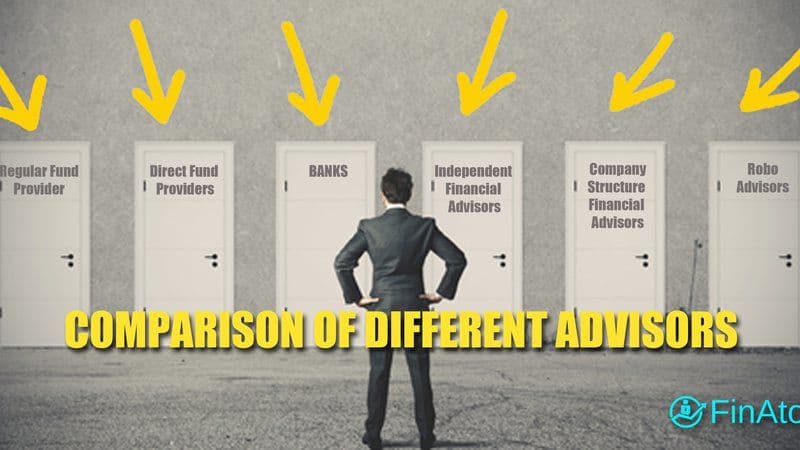
Explore the differences between agents, bank RMs, and SEBI-registered financial advisors to choose smart, unbiased, and goal-driven investment support.

Explore the key advantages of working with a financial advisor for goal-based planning, emotional discipline, unbiased advice, and long-term wealth creation.

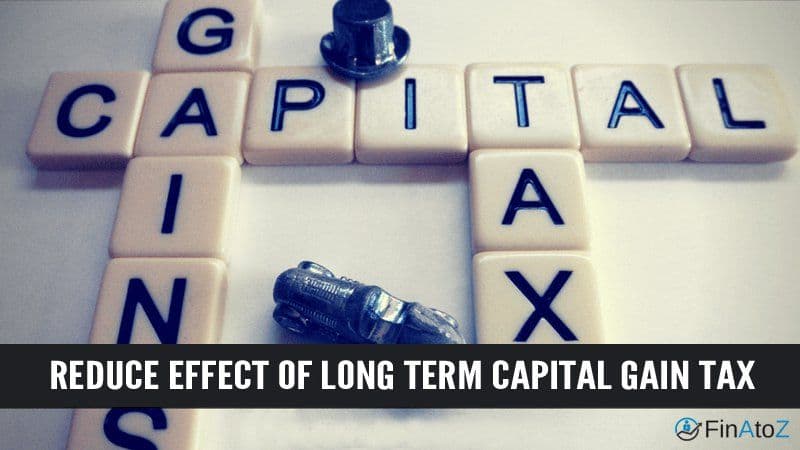
Learn tax-saving strategies to reduce the impact of long-term capital gains tax through smart asset allocation, holding periods, and fund-switching techniques.

Is systematic Investment Plan (SIP) an obsolete strategy now? Is there any advanced strategy that is more likely to work in the future?

A monthly family money meeting builds transparency and shared accountability for savings and major goals.

Career moves affect taxes, insurance, and cash flow continuity. Plan transition finances before resigning.

A 30-minute monthly review can improve savings consistency, debt control, and investment discipline across the year.

Insurance planning is dynamic. Use annual checkpoints to match coverage with income, liabilities, and dependents.

Treat debt payoff as a strategy problem. Prioritize interest burden, risk exposure, and liquidity resilience together.

An emergency fund is not just a number. Structure liquidity in tiers so it supports shocks without disrupting investments.